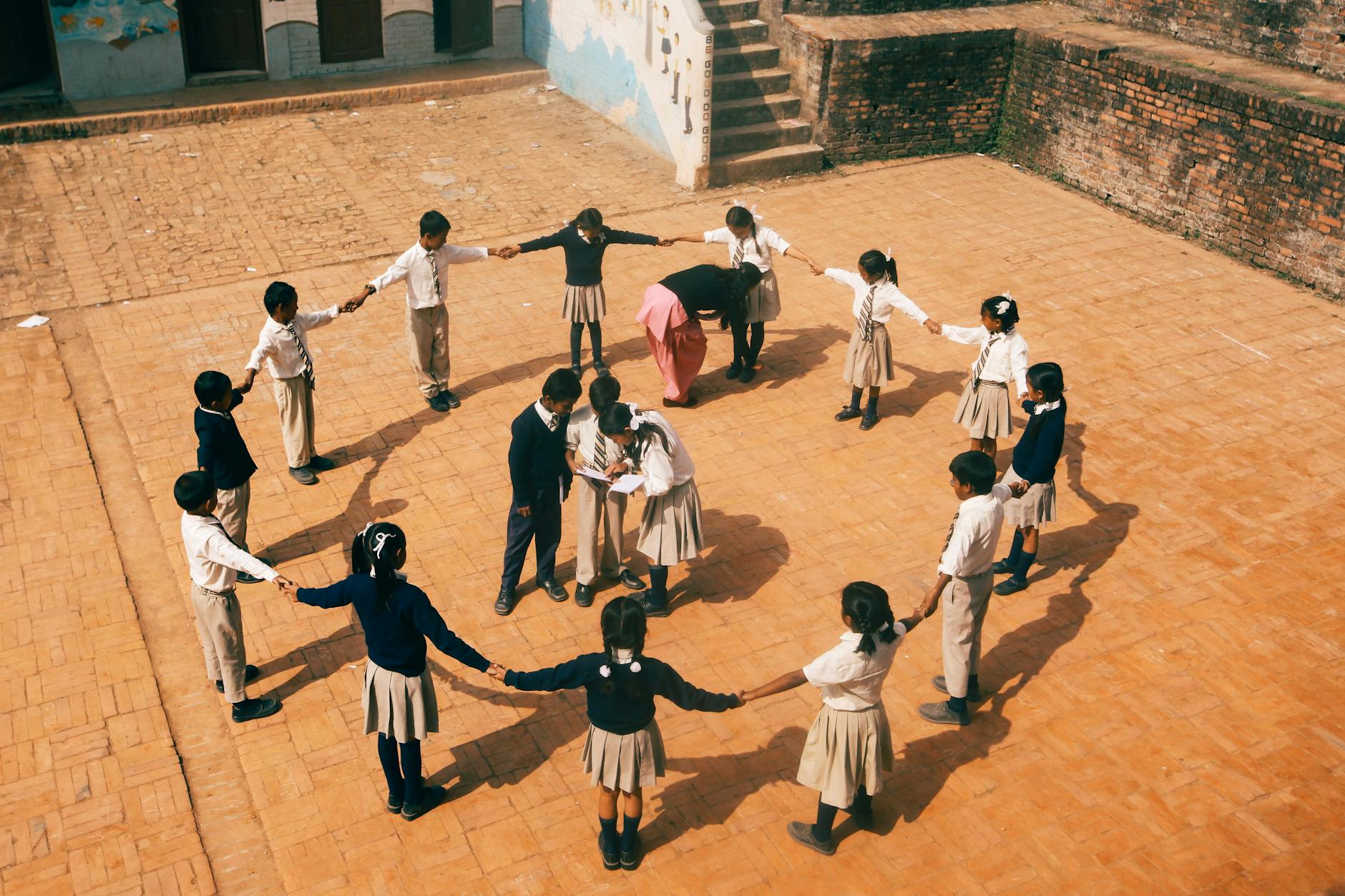
What Is Unschooling? (And No, It Is Not Just Letting Kids Do Whatever They Want)
Unschooling is probably the most misunderstood homeschool method out there. Here is an honest look at what it actually is, who it works for, and what life looks like inside an unschooling family.
Every time I mention unschooling in a conversation, I get one of two reactions. Either someone says "oh, we did that!" and tells me about a week their kid had no school, or someone looks at me like I just said children should raise themselves.
Neither is accurate.
Unschooling is a real educational philosophy with decades of history, a serious body of research behind it, and millions of families practicing it thoughtfully all over the world. It is also genuinely hard to explain because it looks so different from what most of us grew up thinking education looks like.
Let me try anyway.
The Basic Idea
Unschooling begins with a belief: children are natural learners. Left to pursue what genuinely interests them, in an environment rich with books, conversation, tools, nature, and real-world experience, they will learn. Not just passively absorb facts, but actually develop into curious, capable, self-directed people.
John Holt, who coined the term in the 1970s, believed that school as it was (and largely still is) structured actually interferes with learning. That grades, coercion, and artificial subject divisions teach children to comply rather than think, to fear failure rather than explore, to learn for external reward rather than internal satisfaction.
Unschooling says: what if we trusted kids more?
What It Is Not
Unschooling is not neglect. This is the biggest misconception and I want to address it directly.
A good unschooling parent is not hands-off or checked out. They are profoundly engaged. They are saying yes to field trips and library trips and conversations that go long past bedtime. They are noticing when a child's interest in something is starting to deepen and quietly putting resources in that direction. They are having real conversations about everything. They are bringing the world to their child and their child into the world.
The difference is that the learning is not coerced. It is not planned in advance by the parent. It is not scheduled. It emerges from the child's genuine interest and internal drive.
Unschooling is also not the same as radical unschooling, which extends the philosophy to parenting broadly, including food choices, sleep schedules, and screen time. A lot of families practice academic unschooling while still having regular bedtimes and family expectations around chores and behavior. These are different conversations.
What Does It Look Like Day to Day?
This is where it gets hard to describe because it looks wildly different from family to family, child to child, and year to year.
One child might spend six months deeply engaged with Minecraft and through that learn about architecture, resource management, geometry, and collaboration. Another might spend three years going deep into horses and through that learn biology, animal behavior, business (if she ever gets her boarding barn), and technical writing (from keeping meticulous notes in her horse journal).
A child in an unschooling family might read voraciously or might not read independently until age ten or eleven, because reading was never forced or feared, and eventually it simply became useful. Parents of unschooled kids often describe their kids as unusually self-directed, opinionated, and capable of sitting with a hard problem for a long time because they were never trained to wait for someone else to tell them the answer.
Daily life might include a lot of play, a lot of conversation at the dinner table, documentaries, YouTube rabbit holes, projects that take over the living room for weeks, cooking, conversations with adults in the neighborhood, and a notable lack of worksheets.
Does It Actually Work?
The research on unschooling is limited compared to other methods, partly because it is hard to study something with so little standardization. But the studies that do exist, and the body of long-term observation by researchers like Peter Gray, suggest that unschooled children are at least as academically prepared as their traditionally schooled peers, and often more internally motivated and emotionally healthy.
Many unschooled kids do go to college. They often apply through portfolio admissions or community college pathways, and they frequently thrive because they have spent years pursuing genuine interest rather than gaming a grade.
That said, unschooling does not work for every child. Kids who genuinely need external structure, predictability, and clear expectations to feel safe can struggle in a fully unstructured environment. And it does not work for every parent. It requires a level of trust in the process that takes time to develop, and a lot of parents find the uncertainty genuinely hard to live with.
Is It Right for Your Family?
If your gut response to everything I have described here is "but how will they learn to read?" then unschooling is probably not your best fit right now. That is okay. Not every method is for every family.
But if you read all of this and something in you went "yes, that is what I actually believe about kids," then it might be worth exploring more deeply. Start with Peter Gray's book "Free to Learn" or Sandra Dodd's work. Find an unschooling community in your area or online.
You might find that full unschooling is not for you but that some of its principles change the way you think about learning. That is valuable too. A lot of families land somewhere in the middle, keeping a gentle structure while leaving enormous room for child-led exploration.
That is its own beautiful thing.
Unschooling exists on a continuum with delight-directed learning, which keeps more structure while still following the child's interests. And choosing a homeschool style maps where all the approaches fall relative to each other.
Written by
The High Vibe Homeschool Team
We are a homeschool family that has been doing this for seven years across three kids. We write about what we have actually tried, what failed, what surprised us, and what we would do again. No credentials. Just lived experience.
ENJOYED THIS ARTICLE?
Get more like it every week
Real homeschool life, in your inbox.
Keep Reading
More in Curriculum
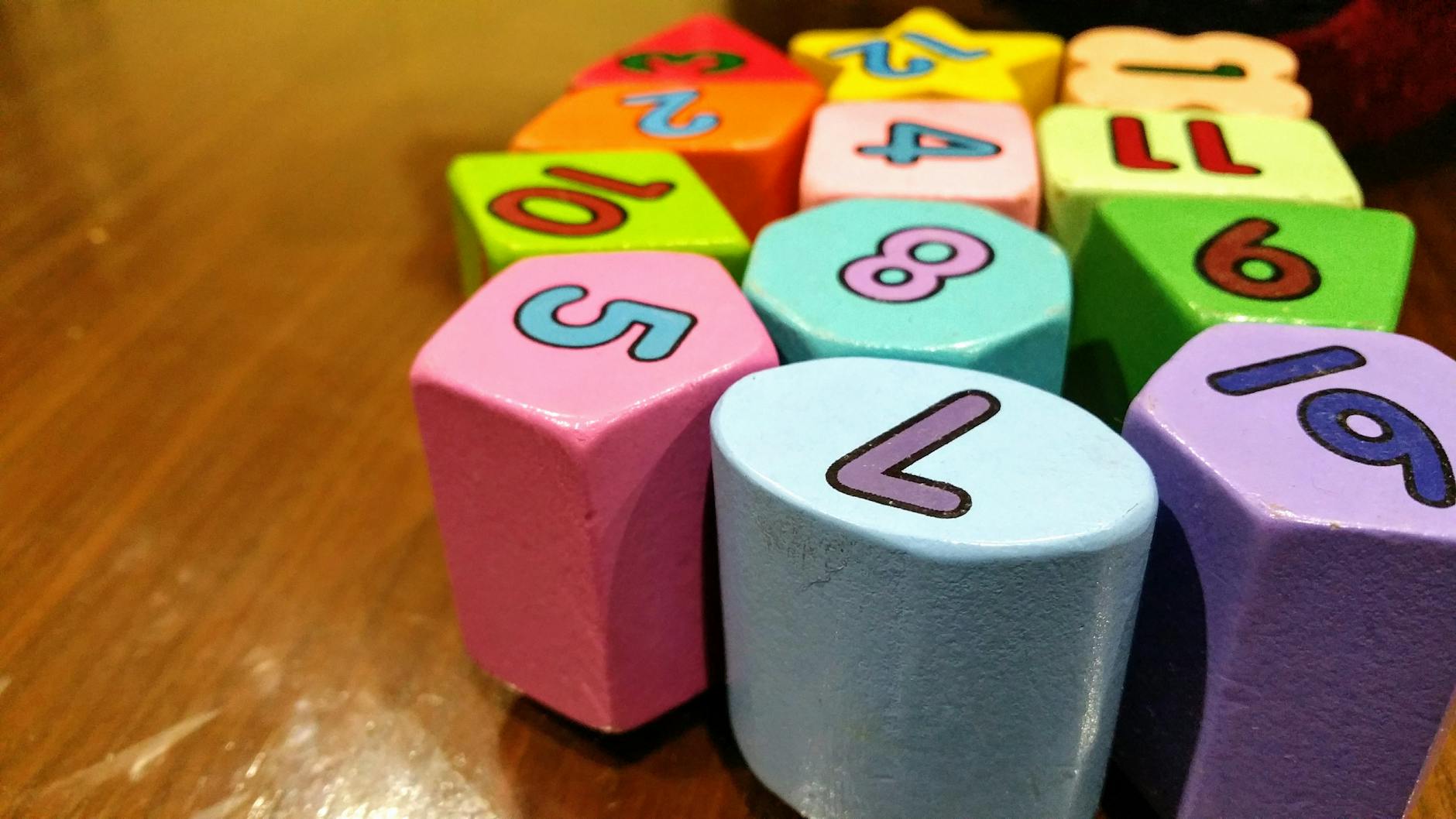 Curriculum
Math Games That Make Numbers Come Alive (Even for the Kid Who Hates Math)
My son cried at math worksheets for two years. Then we found games. Here are the ones that changed everything — no flashcards required.
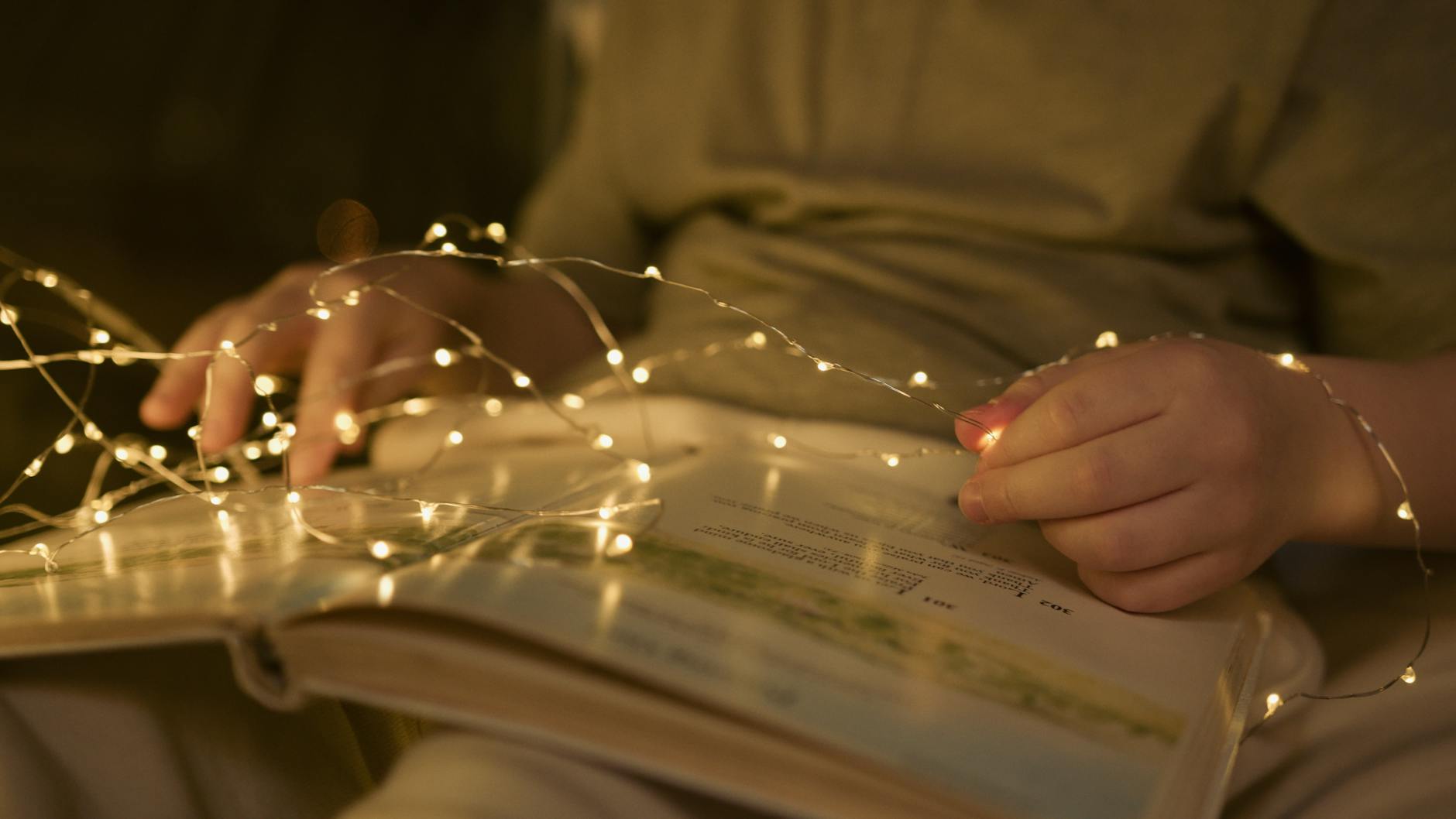 Curriculum
Living Books: What They Are and How to Find Them
Charlotte Mason's term for books that feel alive. Here's what makes a book 'living,' why it matters, and a list of the ones that have done the most for our homeschool.
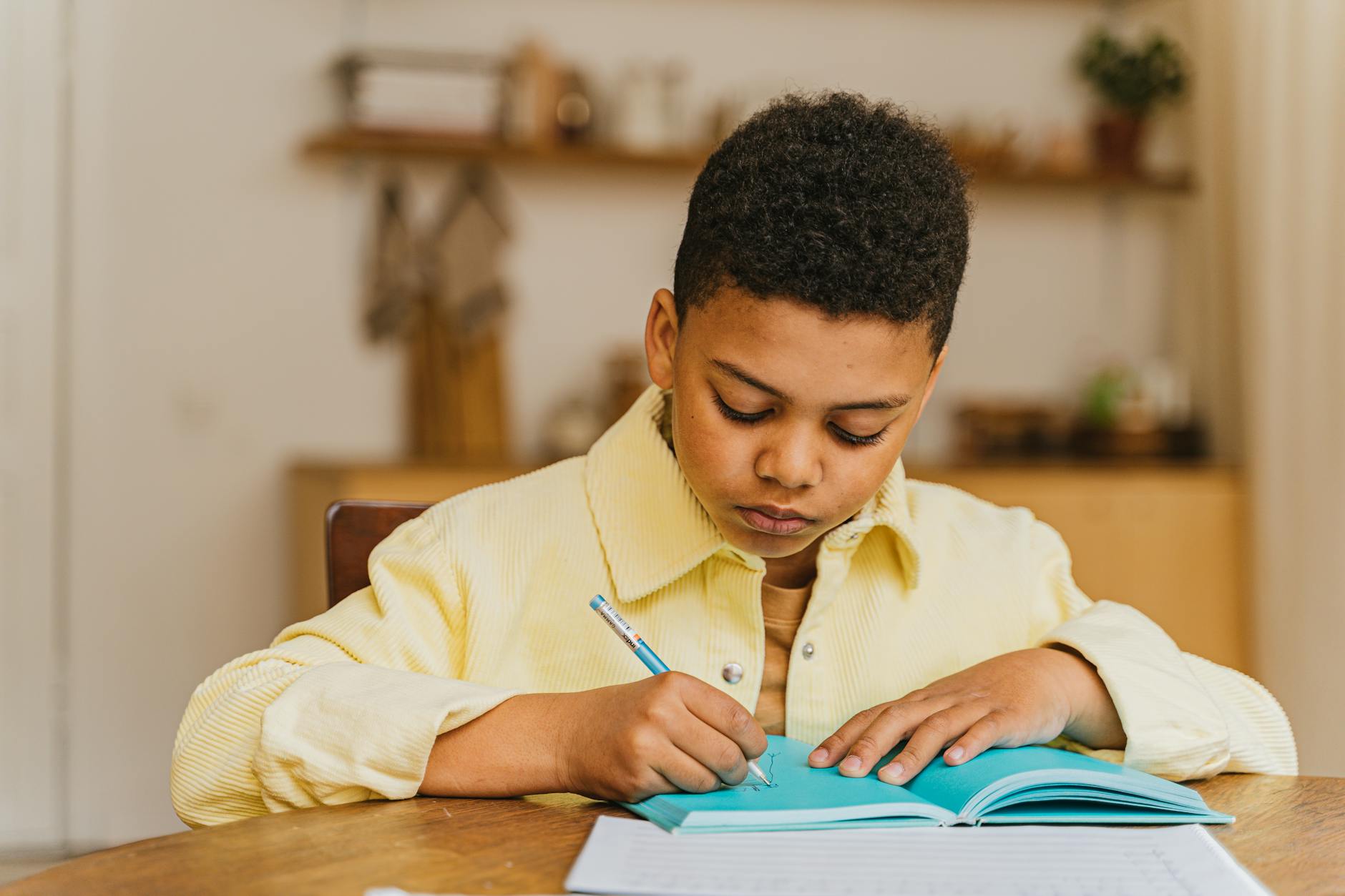 Curriculum
Teaching Writing at Home (When You Don't Feel Like a Writing Teacher)
Writing is the subject most homeschool parents fear most. Here's how we finally made it work — and the approach that produces the most growth for the least friction.