Homeschool Room Ideas for Every Space (Including No Space)
You do not need a dedicated classroom to homeschool well. Here are real, practical ideas for creating a learning environment that works whether you have an entire room or just a corner of the kitchen.
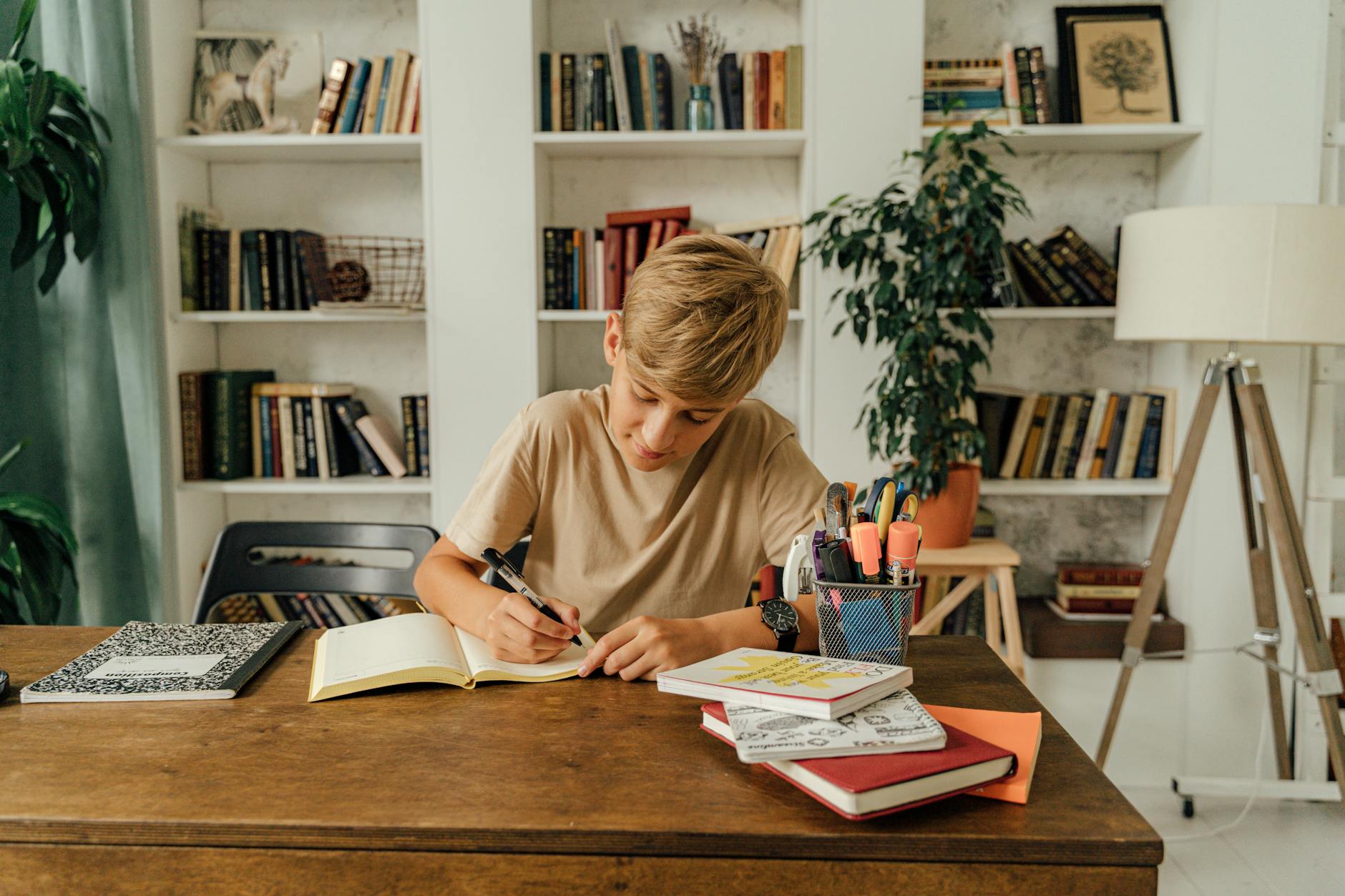
When people find out we homeschool, one of the first things they ask is "do you have like a classroom?" And for years I said yes, because we did have a dedicated room with a whiteboard and cubbies and a big table.
What I did not tell them was that we rarely used it.
My kids did most of their best work at the kitchen table, or on the living room floor with books spread everywhere, or outside on the back porch in good weather. The room looked great for photos. But the real learning happened wherever we happened to be.
I tell you this because I do not want you to feel like you need a special room to homeschool well. You do not. But I also know that a little bit of intentional setup can make your days flow more smoothly. So here are ideas for every situation, from a full dedicated room down to absolutely no extra space at all.
If You Have a Dedicated Room
Lucky you. Here is how to make it actually functional rather than just pretty:
Prioritize storage over aesthetics. The cutest-looking classroom is useless if you spend ten minutes every morning digging through boxes for the right book. Get everything off the floor and organized in a way your kids can independently navigate. Open shelving, labeled bins, clear drawers. Make supplies visible and accessible so your kids can get what they need without asking you.
Put a large work surface at the center. A big table where multiple kids can spread out is worth more than individual desks for most homeschool families. You want to be able to sit with your kid while they work without feeling cramped.
Have a read-aloud spot that is not a desk. A cozy chair or a pile of floor cushions signals "this is where we gather for good things." Reading aloud together is one of the richest parts of homeschooling and it should not feel like school.
Think about natural light. If you can, put the main work area near a window. Natural light genuinely affects mood and attention in ways that are hard to overstate.
Keep one wall writable. A whiteboard or chalkboard wall is not just cute. It is genuinely useful for working through math problems together, making lists, drawing diagrams. You can buy chalkboard paint and roll it onto any wall for very little money.
If You Have a Corner of a Room
A lot of us homeschool in a corner of the living room or a spare bedroom that serves multiple functions. This works completely fine.
Your secret weapon here is vertical space. A tall bookshelf turns a small footprint into serious storage. Add a corkboard or magnetic board above the main work area for a to-do list, a weekly rhythm, current projects, and things your kid wants to remember.
A small rolling cart can hold supplies and then roll out of the way at the end of the day so the space converts back to whatever else it needs to be. IKEA has several that work well for this. Get one with drawers at the bottom and open bins at the top.
Consider a fold-down wall desk if the space is very tight. These work surprisingly well for one-on-one school sessions and fold flat when you need the floor.
If You Have No Dedicated Space at All
The kitchen table is a completely valid learning space. It always has been. Some of the best homeschoolers I know do everything at the kitchen table.
The challenge with a multipurpose space is the transition: getting "school mode" on, and then getting it packed away so the rest of your life can happen. Two things help enormously.
First, a rolling cart or a canvas tote bag that holds all current school supplies and lives somewhere specific. When school starts, you bring it out. When school ends, everything goes back in. The physical ritual of getting the bag and putting it away helps kids mentally transition in and out of learning mode.
Second, designating school time clearly. It does not need a bell. It can just be: we sit down after breakfast and we do this first, then this, then this. The consistency of what comes first and what comes next gives kids a sense of structure even without a physical room.
The Supplies Worth Investing In
Regardless of your space, a few things genuinely improve the experience:
Good pencils. I know this sounds ridiculous but the difference between a smooth, comfortable pencil and a scratchy one is real, especially for kids who resist handwriting. Staedtler and Ticonderoga are favorites.
A variety of paper. Blank, lined, graph, and large artist's paper for projects. Having options matters more than you might think.
A good read-aloud lamp or overhead light. Dim rooms make everyone sluggish.
A timer. Visible timers like the Time Timer are great for keeping lessons focused and for kids who have trouble with transitions. "We have fifteen more minutes of math and then we stop" lands differently when they can see the time moving.
The Real Rule
The best homeschool space is the one where your family actually wants to be. That might be a beautifully organized dedicated room. It might be the kitchen table with a good lamp and a cart of supplies in the corner. It might be the back porch half the year.
Follow the energy. Your kids will tell you where they do their best thinking if you pay attention.
If you are working without a dedicated room — or in a small apartment — organizing your homeschool space without a dedicated room has the specific strategies for making it work.
Written by
The High Vibe Homeschool Team
We are a homeschool family that has been doing this for seven years across three kids. We write about what we have actually tried, what failed, what surprised us, and what we would do again. No credentials. Just lived experience.
ENJOYED THIS ARTICLE?
Get more like it every week
Real homeschool life, in your inbox.
Keep Reading
More in Daily Life
 Daily Life
How to End the Homeschool Year Well
The end of the homeschool year deserves more than quietly stopping. Here is how we close out the year intentionally — what we review, what we celebrate, and how we rest well before the next one begins.
 Daily Life
Homeschool Summer: How to Rest Without Losing Everything You Built
Summer in a homeschool is not the same as summer vacation. Here is how we structure ours — enough rest to restore everyone, enough continuity to make September feel like a continuation rather than a restart.
 Daily Life
Outdoor Science: The Homeschool Advantage You're Not Using
Most science curricula are indoor, textbook-based affairs. The outdoor world offers something they cannot: real science, happening in real time, available every day.